

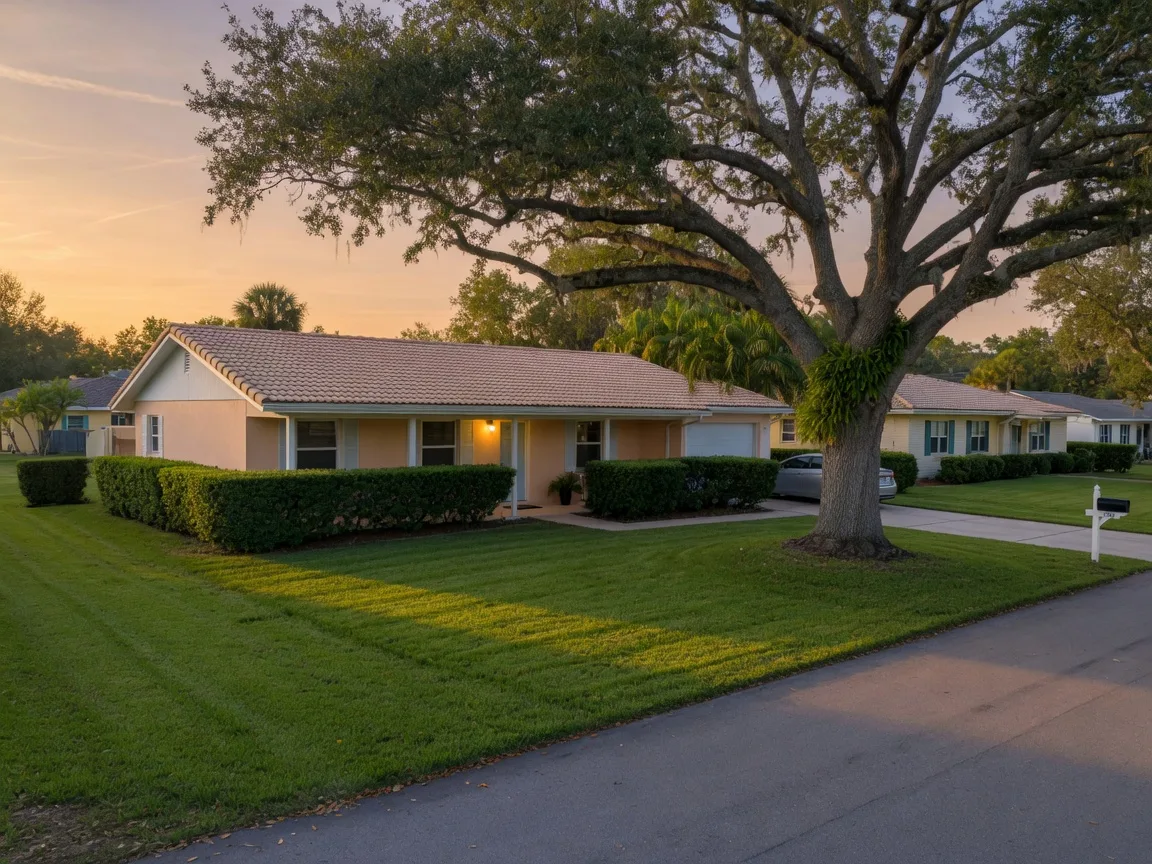
An empty house changes risk in ways families rarely expect. Insurance, utilities, and routine upkeep need attention in the first weeks. Here is a calm, practical checklist for protecting the property while the estate is settled.
Call the insurer before anything else
The most important first call is to the homeowner's insurance company. Do not let the policy lapse, and tell the insurer the home is vacant. Most standard homeowners policies contain a vacancy clause: after the home has been empty of people and personal property for 30 to 60 consecutive days, depending on the carrier, coverage for perils like vandalism, theft, and water damage can be suspended or limited. The fix is simple: keep the policy in force with the insurer's knowledge, or arrange dedicated vacant-home coverage before the clock runs out.
Keep utilities on, with purpose
In Florida's climate, an empty house needs climate control more than almost anything else. Keep the air conditioning running at about 80 to 85 degrees to control humidity and prevent mold, and keep electricity on for security lights and inspections. If the home will sit through cold weather, shut off the water at the main and drain the pipes to avoid a burst-pipe claim. Utility bills are a carrying cost of the estate, and they are part of why timing the sale matters.
Make it look lived in
A home that looks occupied is far less likely to attract trouble. Change the locks, mow the lawn, trim the bushes, collect the mail, and put a few lights on a timer. Arrange for someone to walk through weekly, or hire a caretaker or property manager. Take dated photos of the home's condition early, because they protect the estate if anything changes before closing.
A short list for the first 30 days
In the first month, the estate should: confirm the insurance is current and the vacancy is disclosed, keep the air conditioning running, secure the water and the locks, maintain the exterior so the home looks lived in, collect mail and packages, and complete a weekly walkthrough. Each item is small. Together they keep the estate's largest asset safe while the legal and family decisions move forward.
Then choose the path for the property
Once the home is protected, the next question is what happens to it. The estate can list the home as-is, prepare it and list for maximum exposure, or explore a direct cash offer, and the carrying costs of a vacant home, insurance, utilities, taxes, and HOA dues, are part of that math. We help families compare the options with the real numbers in front of them, so the decision is made from information, not pressure.
This article is general guidance, not legal or insurance advice. Coverage terms vary by carrier and policy, and the estate's attorney and insurance professional can confirm what applies to the specific home.
More insights
What is a Lady Bird deed, and could it have kept the home out of probate?