

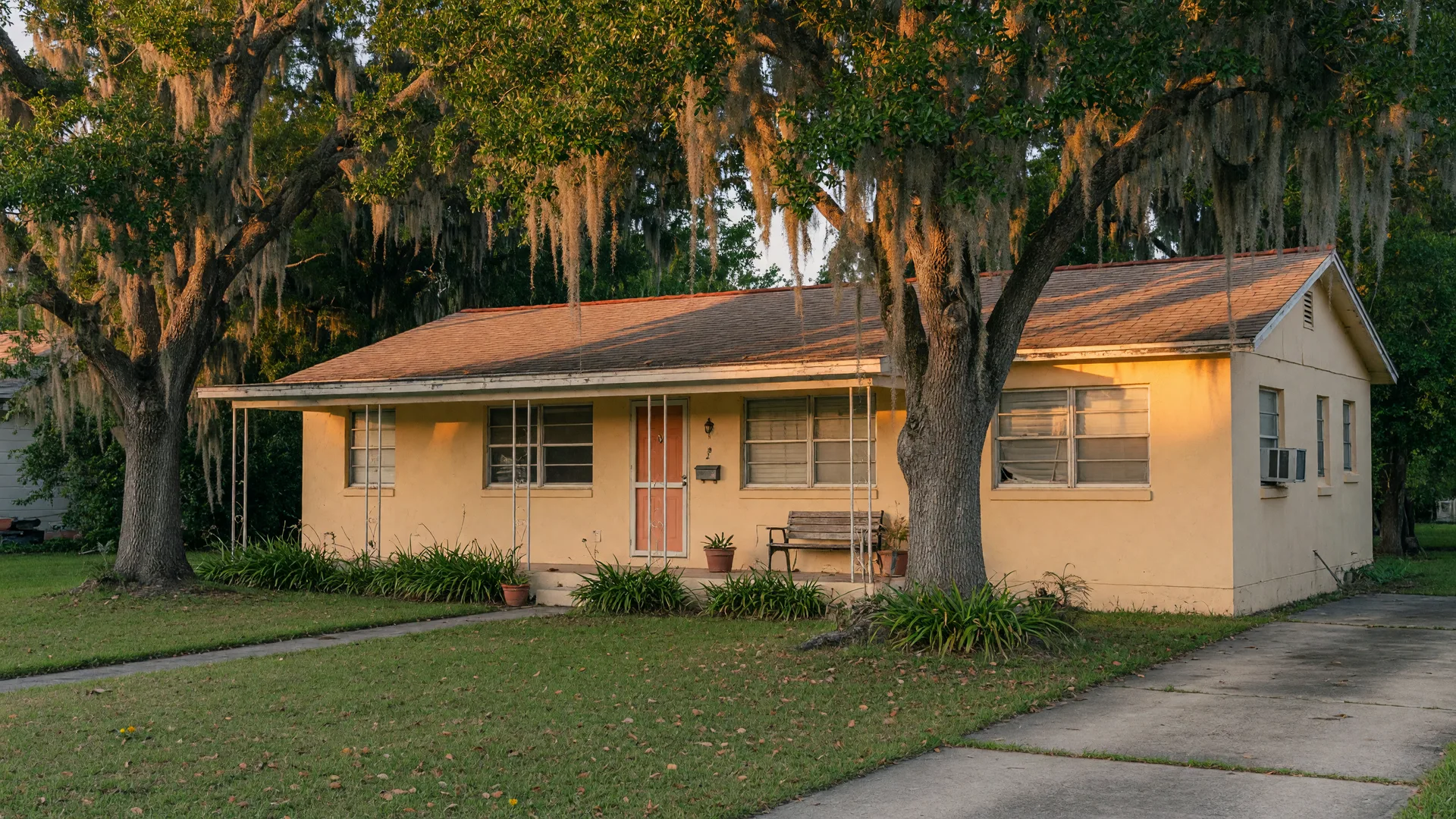
An inherited home can sit vacant for months, and occasionally someone moves in without permission. Florida has a specific law for that situation. Here is what owners and personal representatives should know, calmly and clearly.
The situation is more common than families expect
A vacant inherited home, especially one that sits empty for weeks while the estate is sorted out, can occasionally draw unauthorized occupants. It is unsettling to discover, but Florida has a clear legal path for it. The single most important principle: never treat the person as a tenant. Accepting rent, a deposit, or even a promise of work can turn an unauthorized occupant into a tenant with legal protections, which is exactly the outcome the estate wants to avoid.
Florida's law for removing unauthorized occupants
In 2024 Florida enacted a law, now part of Florida Statutes section 82.036, that gives property owners a fast way to remove someone who unlawfully entered and refuses to leave a residential property. The owner or an authorized agent files a verified complaint, made under penalty of perjury, with the county sheriff, and the sheriff is directed to remove the occupant when ownership is verified and the person has no lease. The remedy is designed for true unauthorized occupants, not for a tenant in a genuine lease dispute or a family member with rights, which is why the estate's attorney should confirm the path fits the facts.
What to do the moment you discover it
Call local law enforcement first and get a police report. Do not confront the person yourself. Document ownership and authority so the sheriff can verify it quickly: the recorded deed, the death certificate, and, when probate has begun, the letters appointing the personal representative. Then ask the estate attorney whether the fast removal path or a formal eviction action is the right route. If the occupant claims to be a tenant, the rules change and the attorney should guide the eviction process.
Making the home less inviting before someone arrives
Prevention is the kindest form of protection. Keep the home looking lived in: a mowed lawn, trimmed edges, lights on a timer, exterior lighting, and a fresh set of locks. Post clear no-trespassing signage with a contact number. Ask a trusted neighbor to watch the home, and arrange regular walkthroughs. A home that looks occupied and watched is far less likely to be entered, and the estate's largest asset stays protected while the family and the court move at their own pace.
How the team helps
If you discover someone in an inherited property, we can help you move calmly: making sure the ownership paperwork is organized for the sheriff, coordinating security and walkthroughs, and keeping the home on track for its eventual sale while the legal process runs. We are real estate professionals, not attorneys, and for removal and eviction questions we work alongside the estate's Florida attorney.
More insights
Clearing title on an inherited Florida home: quiet title and the common clouds