

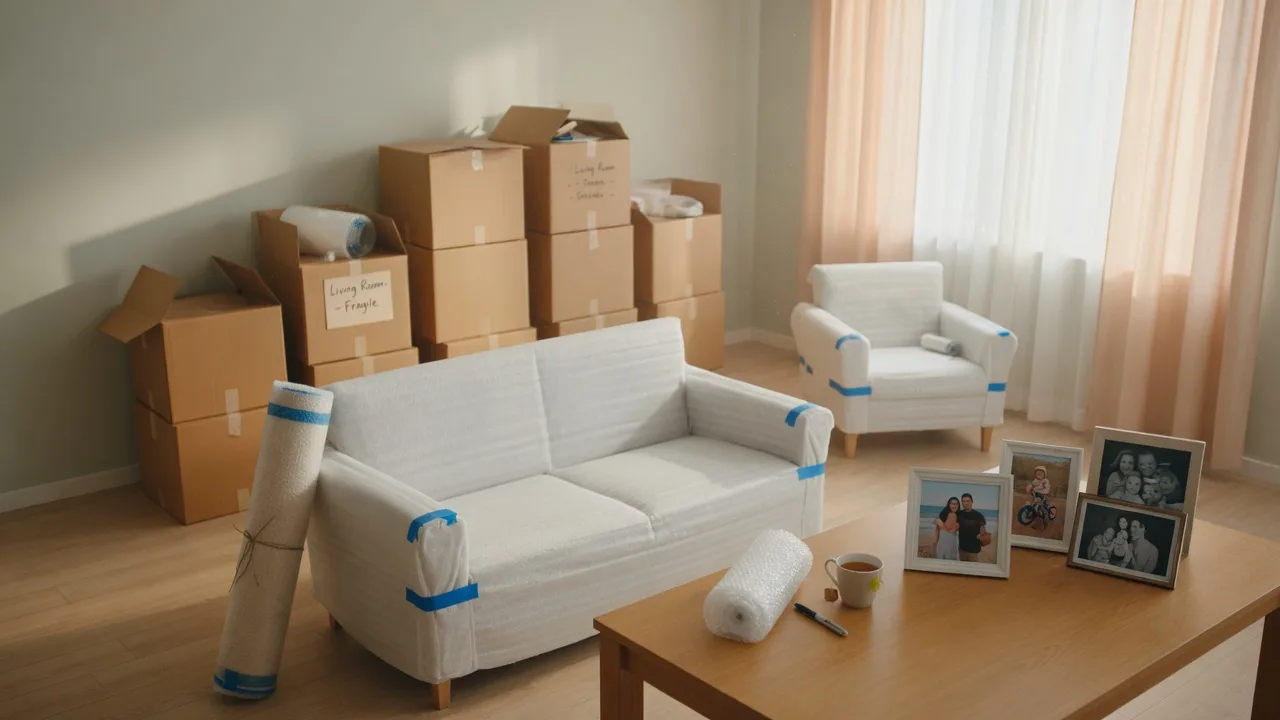
The furniture, cars, and keepsakes inside an inherited home are part of the estate too. Here is how Florida protects family belongings, how the rest is distributed, and how the clearing work gets done.
The belongings are part of the estate too
A home is usually the largest asset in an estate, but the belongings inside it matter too, emotionally and legally. Once a personal representative is appointed, they are responsible for safeguarding and eventually distributing the personal property. The family does not have to sort everything alone, but understanding the rules helps everyone plan the work.
Florida sets aside exempt property for the family
Florida law protects certain personal property for the surviving spouse, or for the children if there is no spouse. Household furniture, furnishings, and appliances in the home are protected up to $20,000 in value as of the date of death, and up to two motor vehicles used by the family are protected as well. This exempt property is shielded from most creditor claims, and the family must claim it within a set window after the estate opens, usually four months. The point of the rule is simple: the family keeps the basics of the home they lived in.
How the rest is distributed
Everything beyond the exempt property passes according to the will, or under Florida's intestacy rules if there is no will. A will can refer to a separate signed list for tangible personal property, which is how many families handle sentimental items without naming each one in the will. Items not covered by a specific list pass through the rest of the estate, and the personal representative can sell personal property to pay estate debts and expenses if needed, with what remains going to the heirs.
The practical side for families
For most families the legal rules are only part of the story. The harder work is deciding who takes what, what gets donated, what gets sold, and what gets cleared, all while respecting everyone's memories. Estate sale professionals, movers, and donation services handle most of the physical work once the family sets the rules, and we coordinate those vendors as part of our estate work. When a home needs to be emptied before a sale, the plan for the belongings is built into the timeline from the start, not discovered at the end.
This article explains how personal property generally passes in a Florida estate. It is not legal advice. The will, the trust, and the court's direction govern each estate, and the estate's attorney is the right guide for the specifics. We handle the real estate side and help coordinate the clearing and liquidation work around it.
More insights
What happens to a reverse mortgage when the homeowner dies?