

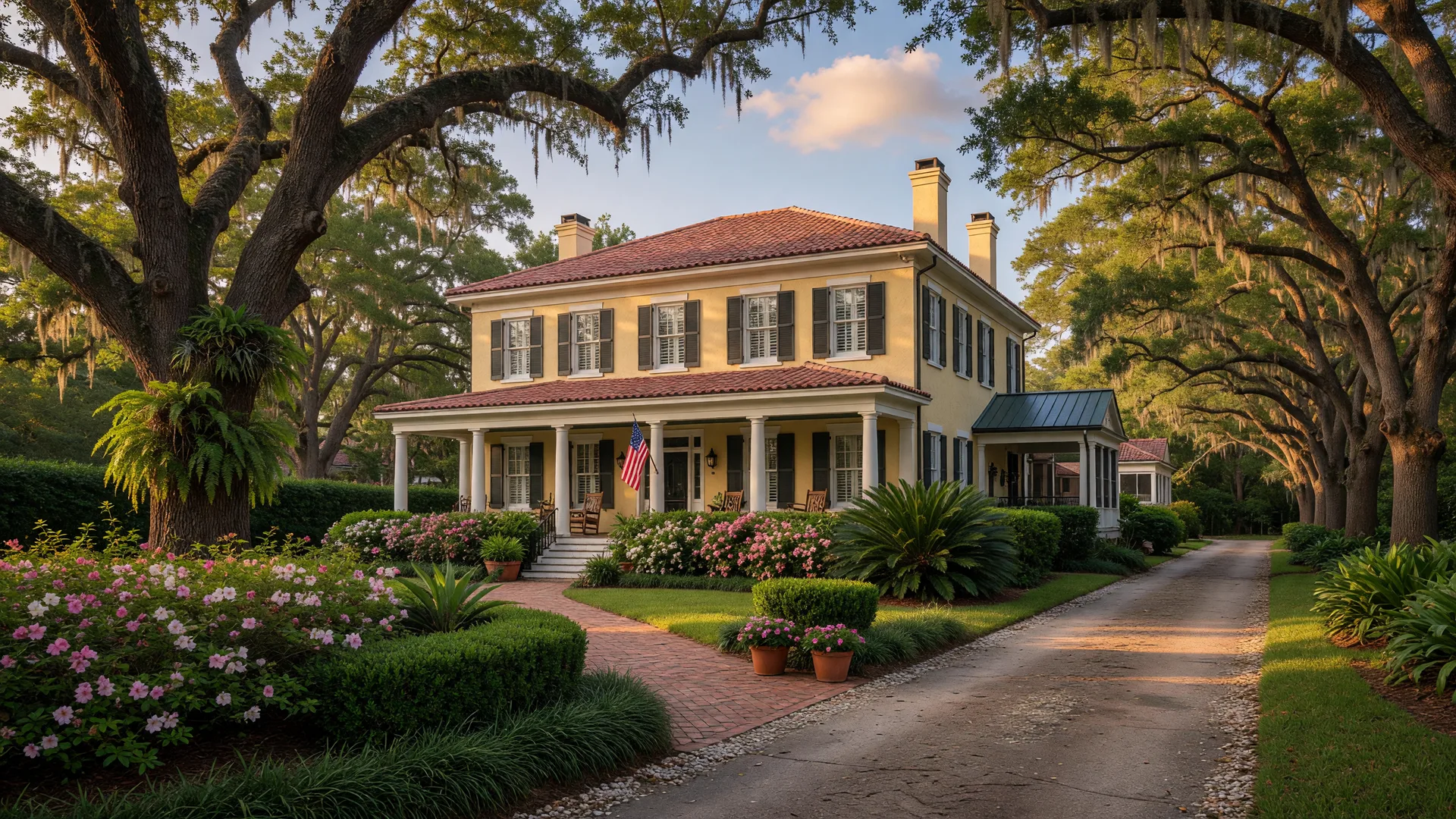
When several heirs inherit a home together, everyone owns a share of the whole property. Here is how shared ownership works, what happens when heirs disagree, and how a Florida partition action can resolve it.
When a home is inherited by several people
When a home passes to more than one heir, each heir owns an undivided share of the whole property. In Florida, co-owners who inherit this way are usually tenants in common: each person owns a percentage, but no single heir owns a specific room or a specific strip of the yard. Everyone has the right to use the property, and major decisions like a sale generally need the co-owners to agree, unless a legal process resolves the disagreement.
What happens when heirs disagree
Disagreement is one of the most common situations we see in estate sales. One heir may want to sell, another may want to keep the home, and a third may live far away. Florida law provides a path for any co-owner who wants to end the shared ownership: a partition action, filed in the circuit court in the county where the property sits. No consent from the other heirs is required to start it, which is why it is both a useful tool and a strong reason to try agreement first.
How a partition action works
In a partition case, the court first determines each owner's share. It then appoints commissioners to decide whether the property can be fairly divided into pieces, called partition in kind, or whether it should be sold and the proceeds divided, called partition by sale. For most family homes, physical division is not practical, so the court orders a sale and distributes the net proceeds according to each heir's ownership share, after accounting for contributions like mortgage payments, taxes, and improvements made along the way.
The special rules for inherited family property
Florida has adopted the Uniform Partition of Heirs Property Act, which adds protections for families who inherit property together. Under those rules, the court first determines the property's fair market value, then gives the other co-owners a window, generally 45 days, to buy out the share of the heir who asked for the sale. Only if no buyout happens does the court consider ordering a sale, and it does so only when a sale would maximize value or the property cannot be divided fairly. The effect is that an inherited family home is not sold out from under the family without a real chance to keep it.
The calmer road: agreement first
Partition is a lawsuit, with court costs, attorney's fees, and time attached, and most families never need it. A negotiated buyout, where one heir buys the others' shares, or a coordinated sale where everyone agrees on the listing and the division of proceeds, resolves the same problem without litigation. That is where a real estate team that has walked many families through shared ownership helps: we bring everyone the same facts, the same valuation, and the same honest options, so the family can agree on a path instead of letting the court choose one.
This article explains how shared ownership and partition generally work in Florida. It is not legal advice. When heirs disagree or a partition is being considered, the family's Florida attorney is the right guide, and our team coordinates with them on the real estate side.
More insights
Summary administration in Florida: the faster probate path for smaller estates